


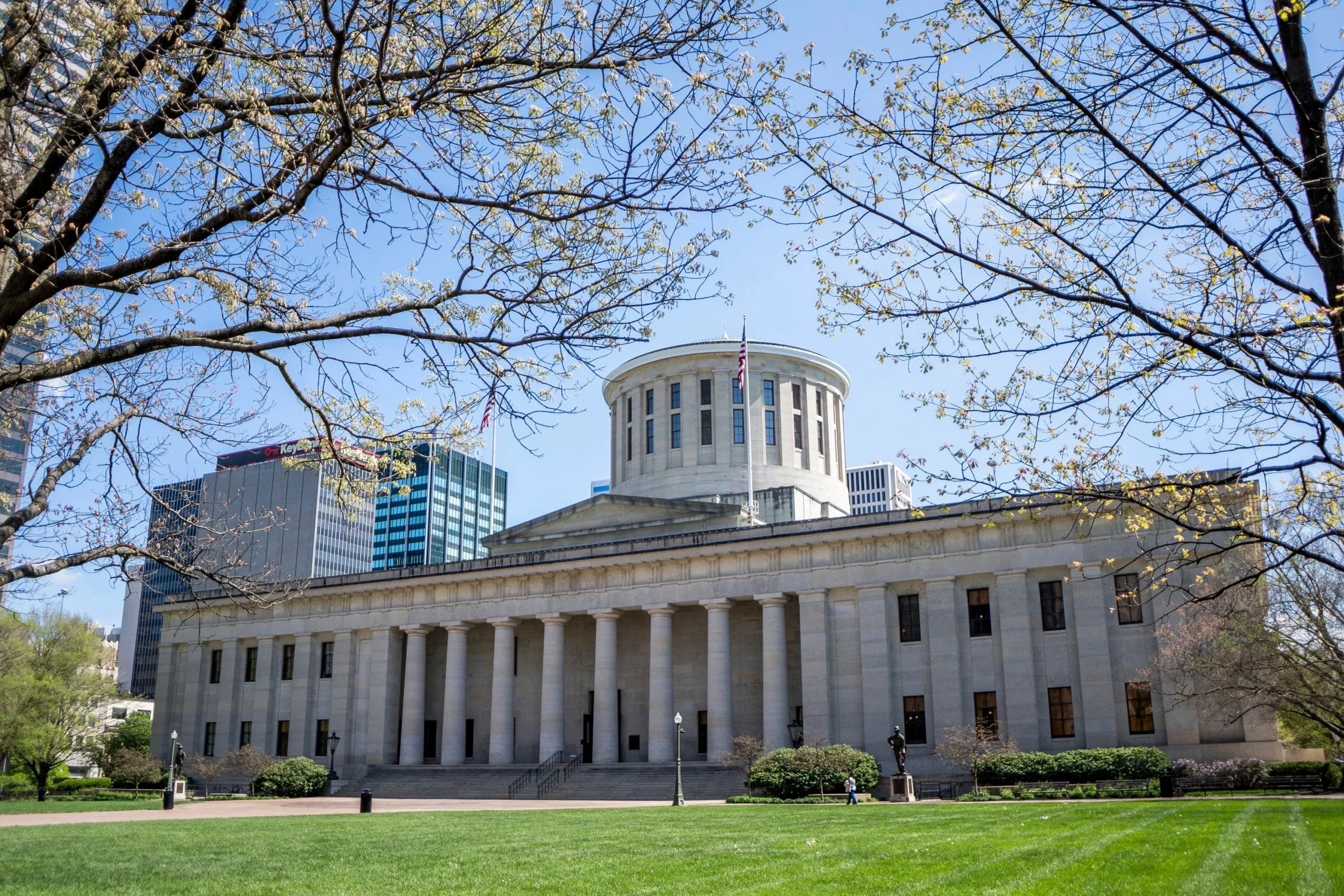
Ohio won't back down in its fight with prediction markets. The Ohio Casino Control Commission (OCCC) has ordered 10 companies, including Polymarket, Robinhood, and Coinbase, to stop offering sports event contracts in the state. The move follows a federal appeals court ruling that favored Ohio's authority to regulate those products.
The companies have until October 16 to respond to the cease-and-desist letters issued October 2. For platforms already facing legal challenges nationwide, Ohio's latest move adds another headache.
Ohio Casts a Wide Net
Ohio regulators aren't just targeting companies that specialize in prediction markets. The notices also went to financial platforms offering event contracts alongside their other services.
The 10 companies receiving letters were:
- Polymarket
- Robinhood
- Coinbase
- Novig
- Underdog Predict
- ProphetX
- Webull Financial
- Plus500
- Gemini Titan
- Moomoo
Ohio says these companies cannot offer sports-related contracts without obtaining the licenses required under state law. Regulators argue that federal exchange oversight doesn't exempt operators from Ohio's requirements.
Polymarket disagrees, maintaining that prediction markets belong under the Commodity Futures Trading Commission (CFTC), not individual state regulators. Robinhood has made a similar argument, pointing to federal oversight of its event contracts.
A Court Ruling Gives Ohio Momentum
The timing of Ohio's enforcement effort is no coincidence. On September 25, the Sixth Circuit Court of Appeals sided with Ohio and Tennessee in their legal disputes with Kalshi. Kalshi argued that its sports event contracts qualify as swaps under federal commodities law.
The court rejected that interpretation for the contracts involved, finding that the products didn't meet the relevant financial requirements. That decision gave Ohio additional support for enforcing its existing laws. However, other federal appeals courts have reached different conclusions, leaving the broader question unresolved.
The Supreme Court is Getting Pulled In
Ohio is also helping lead a push for the U.S. Supreme Court to address the disagreement. A bipartisan coalition of 39 states has supported Supreme Court review of the legal battle involving Kalshi and New Jersey. The NFL has joined that effort, arguing that states should retain authority over sports contracts.
Interestingly, professional sports organizations aren't taking a uniform position, with MLB and the NHL pursuing relationships with prediction market companies. The Supreme Court hasn't agreed to hear the case. If it does, arguments could take place next year.
Political Spending Adds Another Dimension
The enforcement fight is unfolding alongside significant political spending from companies connected to prediction markets and cryptocurrency. Coinbase has contributed $33.2 million to Fairshake, a political committee active in federal elections. Polymarket parent Blockratize has contributed $1 million to a committee aligned with House Republican leadership and $10,000 to Ohio gubernatorial candidate Vivek Ramaswamy.
Those contributions don't establish any connection to Ohio's enforcement decisions. They do show how companies involved in this industry are becoming increasingly active in politics while regulatory questions remain unsettled.
The Trade Handle Prediction Markets Take
We think Ohio's latest action is significant because it targets far more than Kalshi. With 10 companies receiving notices, the state is making clear that its position applies across the industry. The October 16 response deadline is worth watching, particularly for platforms already operating under federal oversight.
Their responses could preview how aggressively companies intend to challenge Ohio's demands. For now, the disagreement remains familiar: states want to enforce their existing sports regulations, while prediction market companies argue that federal commodities law governs their contracts. Until there's a clearer nationwide answer, expect more clashes like this.