


The fight over prediction markets picked up another important voice this week, and it wasn't a state regulator or a federal agency. Tribal leaders in Oklahoma are now urging Congress to take a closer look at sports-related prediction markets, arguing that the products have grown into something that looks very similar to sports wagering while operating under a different set of rules.
That makes this story worth paying attention to because it introduces another perspective into an already crowded legal battle. Up until now, most of the headlines have focused on states suing prediction market companies or the CFTC defending its authority. Oklahoma's tribes are raising a different issue altogether: what these platforms mean for tribal gaming rights and the agreements that have governed gaming activity for decades.
A Different Argument Than We've Heard Before
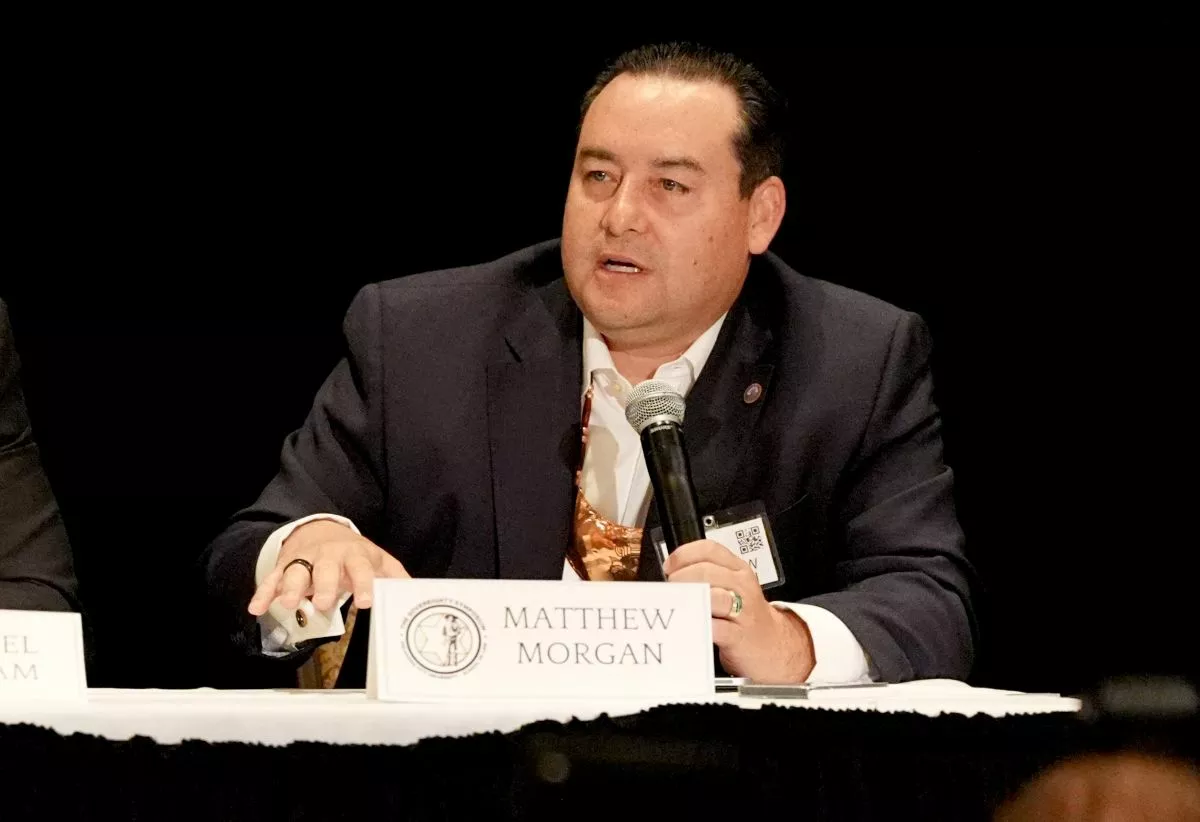
Most of the recent legal fights have centered on one basic question: who gets to regulate prediction markets? This discussion takes the conversation in another direction. Matthew Morgan, chairman of the Oklahoma Indian Gaming Association, says many sports-related prediction market contracts are difficult to distinguish from traditional sports wagering.
From the tribes' point of view, companies are offering similar products without operating under the same licensing, oversight, and compact agreements that tribal gaming facilities are required to follow. That's an argument built around fairness rather than technology. Instead of debating whether prediction markets qualify as financial products, tribal leaders are asking whether similar activities should be held to similar standards.
The Sports Betting Question Still Hasn't Been Solved
It's impossible to separate this conversation from Oklahoma's ongoing sports betting debate. Earlier this year, House Bill 1047 failed to move forward despite support from Oklahoma tribes, the Oklahoma City Thunder, and several major universities across the state. That leaves Oklahoma in an unusual spot. Sports betting remains illegal, but tribal leaders believe many residents are still finding ways to participate through prediction markets and other platforms.
From their perspective, that means economic activity continues to happen without benefiting either the state or the tribal governments that negotiated gaming compacts years ago. Whether lawmakers agree or not, that concern is likely to remain part of the conversation until Oklahoma settles its sports betting future.
More Voices Mean a More Complicated Road Ahead
One thing that's become obvious over the past several months is that prediction markets aren't facing just one legal challenge. Every new case seems to introduce another group with its own concerns. States are arguing about gambling laws. The CFTC continues defending its federal authority.
Wall Street is creating new compliance rules for employees. Tribal governments are now emphasizing sovereignty and existing gaming agreements. When that many stakeholders start weighing in, it usually means an industry has become too significant to ignore.
The Trade Handle Prediction Markets Take
What stood out to us isn't that Oklahoma tribes oppose prediction markets. It's that they're approaching the issue from an angle we haven't heard nearly as much. This isn't simply about competition or whether the products should exist. It's about how prediction markets fit into regulatory systems built over generations.
That's why this story matters beyond Oklahoma. Every new legal challenge adds another piece to the puzzle, and no two arguments have been the same. As prediction markets continue expanding, expect more groups to step forward with their own concerns and priorities. The future of the industry probably won't be decided by a single lawsuit, but by all of these conversations coming together.