


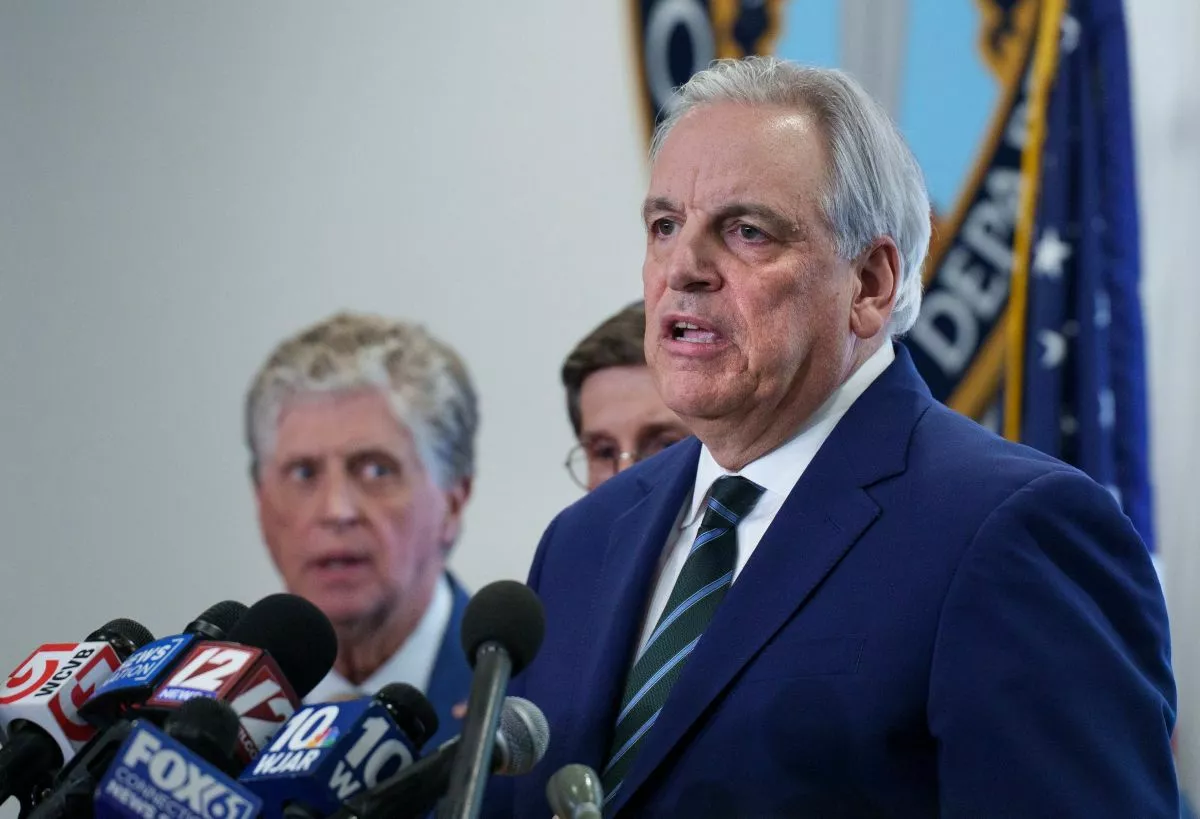
The battle over prediction markets just added another state to the growing list of courtroom fights. Rhode Island officially sued Kalshi and Polymarket this week over sports-event contracts, though the situation got even more chaotic when Kalshi filed its own lawsuit against the state first.
That back-and-forth tells you a lot about where the industry sits right now. States are becoming more aggressive in trying to stop sports-related prediction markets, while Kalshi keeps arguing that these contracts fall under federal financial regulation rather than state gaming laws.
Rhode Island Says These Contracts Are Basically Sports Gaming
Rhode Island Attorney General Peter Neronha made the state’s position very clear in the lawsuit. According to Rhode Island, there is no real difference between sports event contracts offered by prediction market platforms and traditional sports gaming products already regulated through the state. The lawsuit argues that Kalshi and Polymarket allow users to take money-based positions on sports outcomes in ways that closely resemble existing gaming products.
Rhode Island officials pointed specifically to contracts tied to games and player performances, as well as fixed payouts tied to event results. State officials also say the platforms are operating outside Rhode Island’s approved system while still competing for the same audience. Sportsbook RI currently operates as the state’s exclusive legal sports gaming platform, which means regulators view outside competition as both a legal issue and a revenue concern.
Kalshi Keeps Pointing Back to Federal Law
Kalshi is sticking to the same argument it has used in other legal battles around the country. The company says its event contracts are federally regulated financial products overseen by the Commodity Futures Trading Commission. Not state gaming regulators. In its federal lawsuit, Kalshi argued that Rhode Island appeared ready to take enforcement action against the company despite federal oversight already in place.
The platform also defended sports contracts as useful financial tools tied to industries affected by sports outcomes, including sponsors, advertisers, media companies, sportsbooks, and local businesses connected to sporting events. That federal-versus-state clash is becoming the defining issue for the entire prediction market industry. Companies like Kalshi believe that federal commodities law gives them the authority to operate nationwide. States continue arguing that sports-related contracts still belong under local gaming oversight regardless of how the products are labeled.
More States Keep Joining the Fight
Rhode Island is definitely not alone here. Arizona, Massachusetts, Nevada, Minnesota, Washington, and several other states have already launched legal or regulatory actions tied to prediction markets over the past year. Some of those cases have become pretty aggressive. Arizona previously pursued criminal misdemeanor charges against Kalshi tied to sports event contracts.
Washington courts recently ruled that one Kalshi case should remain in state court. Since gaming regulation is traditionally handled at the state level. Rhode Island officials are also raising broader concerns about consumer protections and financial harm. Regulators argue that prediction markets operate outside many of the safeguards required for licensed gaming operators while still creating similar risks tied to addiction and financial losses.
The Trade Handle Prediction Markets Take
This fight is turning into something much bigger than Rhode Island versus Kalshi. States across the country are now openly challenging whether sports prediction markets should exist outside traditional gaming systems. We also think the speed of these legal battles says a lot about how fast prediction markets have grown. A couple of years ago, most state regulators barely talked about these platforms. Now, multiple attorneys general, gaming regulators, and federal agencies are all fighting over who controls prediction markets.