


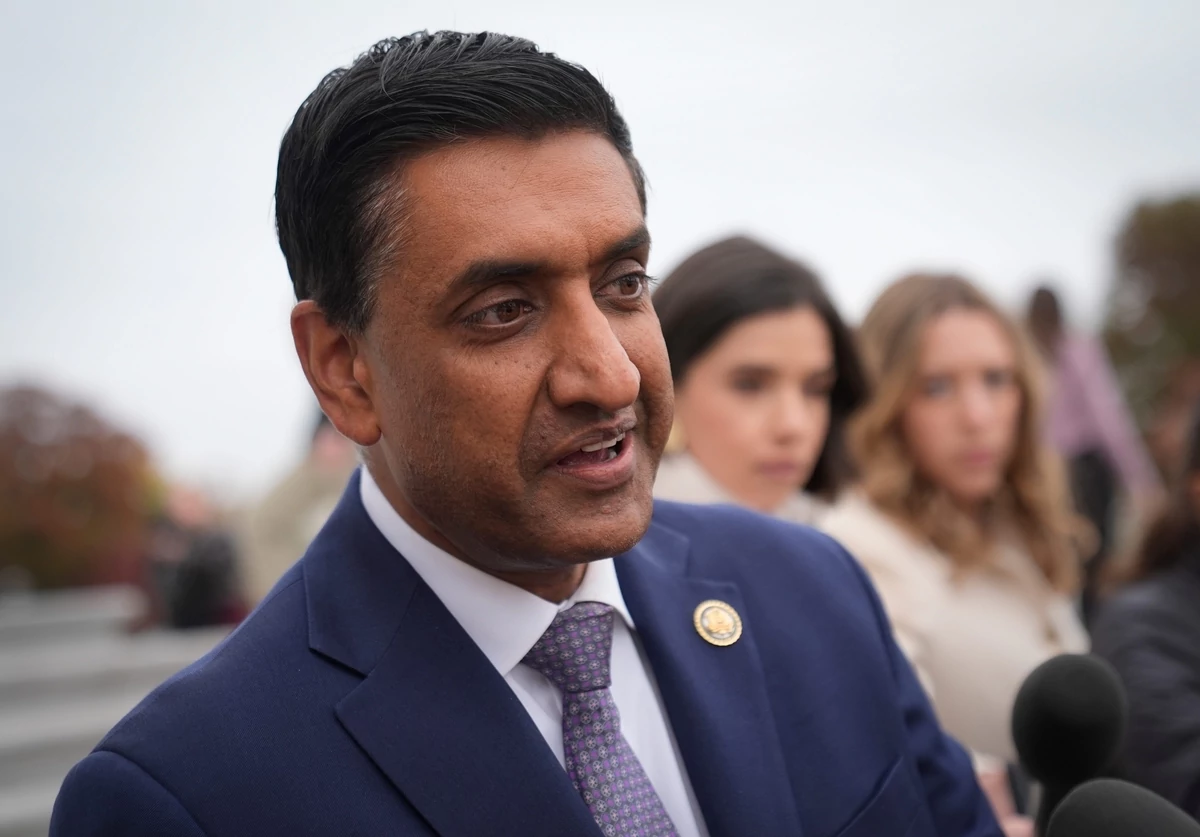
Another prominent political figure is taking a firm stand against the surging prediction market industry. California Rep. Ro Khanna joined the fight against prediction markets, recently urging Congress to specifically ban the industry’s sports contract products.
Prediction markets have been under fire for some time now, but Khanna’s callout specifically refers to sports prediction markets. The 50-year old Democrat suggested prediction market platforms were too similar to sports betting sites and were avoiding gambling laws while putting consumers at risk.
Khanna Demands Sports Prediction Markets Ban
The California Representative took a firm stance on November 10th, stating on X that he viewed sports prediction markets to be the same as traditional sports betting.
“Sports prediction markets are sports betting disguised as financial trading. They flout state and tribal gambling laws, siphon state tax revenues, fuel addiction, and expose young Americans to public health risks while evading state consumer safeguards. Congress must ban them,” Khanna said.
Khanna’s public declaration aligns with current California state law, which presently prohibits sports betting of any kind. There is presently no legal, state-regulated betting entity within California's borders, and Khanna’s stance suggests prediction markets operate similar to sportsbooks and should fall under the same penalties.
Regulatory Pressure Mounts for Prediction Markets
Not every politician or lawmaker goes viral on X stating their opinion on political matters, but Khanna did. He joins a long line of public figures fighting against prediction markets, whether they have personal interest in the matter or not.
In fact, legislation has already been submitted to facilitate the very demand Khanna is calling for. This past March, Senators Adam Schiff (California) and John Curtis (Utah) introduced a bill that sought the prohibition of sports and casino-centric contracts on prediction market sites.
In addition, Senator Elizabeth Warren recently raised her own concerns regarding insider trading and consumer protections within the prediction market industry.
The prediction market regulatory battle was already heating up, but with pressure mounting, it’s arguably headed for a boiling point.
Ban vs. Increased Regulation
Politicians that hail from U.S. states that don’t offer legal sports betting aren’t going to be fans of prediction markets. Despite the two not being the same, they will lump them together, deem them both illegal, and try to force them out of the state.
Lawmakers from states where sports betting is allowed aren’t much different; they will say prediction markets are the same as sportsbooks and they need to abide by the same rules.
The problem, of course, is they’re not the same. Kalshi CEO Tarek Mansour has laid out numerous times publicly how they’re different in a variety of ways, while they are federally backed by the CFTC.
Due to this difference, the better approach may be further regulation, rather than an outright ban. Khanna, Warren, and others will take every inch they can get, however, even if the ultimate end result is the two sides inevitably meeting somewhere in the middle.
The Trade Handle Prediction Markets Take
The prediction market regulatory debate rages on, but the story is all too familiar. Most everyone who is against prediction markets either is unable to profit from it, or they are upset that prediction market platforms don’t have to abide by the same rules as sportsbooks.
The problem is most politicians and lawmakers going against prediction markets are biased or have their own agenda. The agenda of heavy-hitter prediction markets such as Kalshi and Polymarket, however, is to simply offer a sportsbook alternative.
Congress is being urged to make a call that arguably has already been made. Their time may be better served improving regulation and fighting insider trading, rather than catering to politicians and lawmakers who made their minds up long ago.