

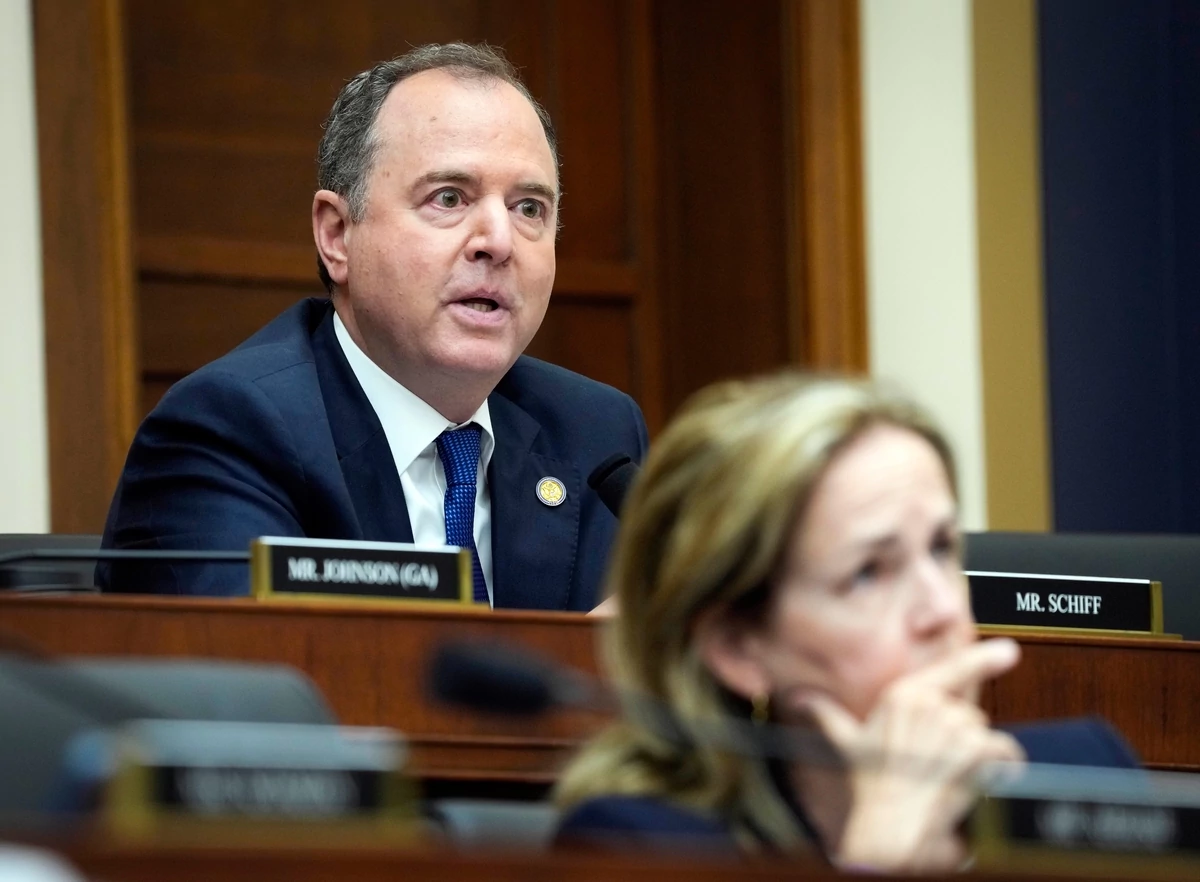
Prediction markets are caught between two sets of instructions, and nine Democratic senators want the Commodity Futures Trading Commission to explain itself. Led by Sen. Adam Schiff, the lawmakers are demanding that CFTC Chairman Michael Selig reverse a November 5 directive on state-by-state restrictions on event contracts. They worry the agency is pushing exchanges toward nationwide access even where courts have ordered certain contracts blocked.
The dispute adds another chapter to the fight over who gets to regulate prediction markets. Selig believes federal law gives the CFTC authority, while states and tribal governments argue they can enforce their own restrictions.
Washington Wants One Market, States Want a Say
The CFTC's November 5 guidance gave federally registered exchanges 30 days to remove geographic restrictions or explain why they should remain. Those restrictions, known as geofencing, prevent customers in certain locations from accessing particular contracts. The problem is that some platforms introduced those restrictions because courts ordered them to.
Lawmakers pointed to decisions involving Michigan, Nevada, Washington, and two California tribes as examples of why the CFTC's approach creates problems. For exchanges such as Kalshi and Polymarket, that leaves an uncomfortable question. How do you follow federal guidance without potentially violating an existing court order?
Schiff Wants the CFTC to Reverse Course
Schiff and eight Democratic colleagues aren't asking Congress to pass a new law just yet. Instead, they're directing their demands at the agency that oversees federally registered prediction market exchanges.
Their letter makes two requests:
- Withdraw the November 5 directive: Stop pressuring exchanges to remove geographic restrictions while relevant court orders remain active.
- Preserve agency records: Retain CFTC policy-related documents dating back to January 2025, and respond within one week.
The letter also arrives at a politically important moment. Democrats are preparing to control both chambers of Congress in January, giving lawmakers additional opportunities to question the agency's decisions.
Selig isn't Backing Down
Selig has shown little interest in retreating from the CFTC's position. He maintains that prediction markets fall under federal derivatives law and that individual states shouldn't override the agency's authority.
The chairman recently criticized Utah officials over criminal charges against Kalshi co-founders Tarek Mansour and Luana Lopes Lara. He also said the CFTC would take its jurisdictional fight to the Supreme Court if necessary.
That possibility has become increasingly relevant as federal courts reach different conclusions about prediction market regulation. With conflicting rulings and more state lawsuits underway, a nationwide answer remains elusive.
The Trade Handle Prediction Markets Take
We've covered plenty of disagreements between the CFTC and state regulators, but this one puts prediction market exchanges in a particularly difficult position. The federal agency wants fewer geographic restrictions, while existing court orders require some of those restrictions to remain. For traders, the consequences are straightforward. Whether you can access a particular contract may depend on where you live, and that uncertainty isn't disappearing anytime soon.
We also think the senators' letter matters beyond its immediate demands. With Democrats preparing to take control of Congress, the CFTC could face considerably more questions about how it has handled prediction markets. Selig appears ready to defend federal authority all the way to the Supreme Court. Until courts or Congress settle the issue, Kalshi, Polymarket, and other exchanges will continue navigating conflicting expectations from Washington and individual states.