


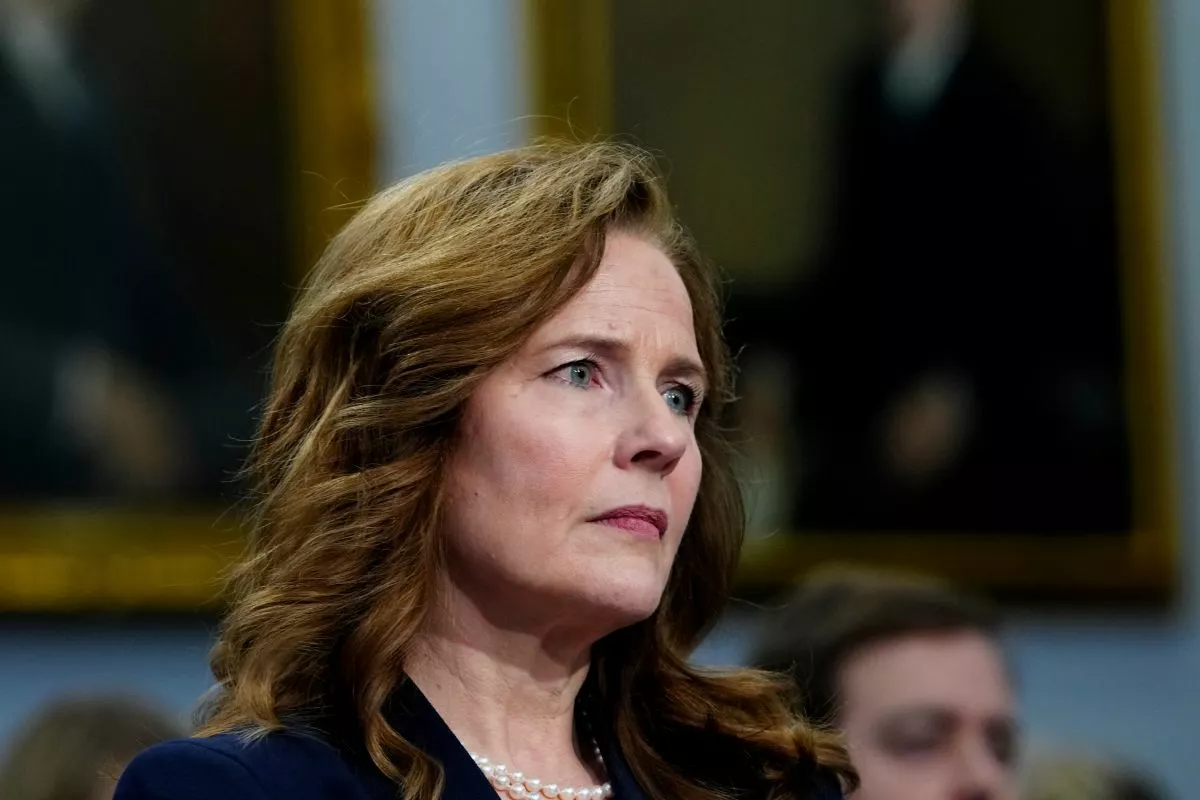
Prediction markets are creating a new ethical debate for the U.S. Supreme Court, even before the justices have ruled on the industry's biggest legal questions. Lawmakers and government watchdogs are now urging the Court to make one thing unmistakably clear: justices, law clerks, and court employees should not participate in prediction markets tied to cases or government actions.
The issue surfaced during a rare appearance before Congress by Supreme Court Justices Amy Coney Barrett and Elena Kagan. While both justices insisted the Court's existing ethics rules already address the concern, critics aren't convinced those policies go far enough.
Justices Say Current Rules Already Cover it
During a Senate hearing, Barrett quickly responded when asked whether the Supreme Court had addressed the rise of prediction markets and the ethical questions surrounding them. "That's already covered," Barrett said, with Kagan immediately agreeing. Both justices indicated they believe the Court's current ethics standards already prohibit the misuse of confidential information.
Barrett also emphasized that the Court does not want any loopholes and said the policies would continue to be reviewed as prediction markets become a more significant topic. Those comments haven't slowed calls for more specific guidance. Several lawmakers argue that broad ethics language isn't enough now that prediction markets have expanded to include contracts involving court decisions, government officials, and other politically sensitive events.
Pressure Builds for a Clear Ban
Sen. Chris Van Hollen is among those pushing for stronger language. In a letter to Chief Justice John Roberts, he urged the Court to explicitly prohibit justices, judges, clerks, staff, and other judicial employees from participating in prediction markets altogether. Supporters of that approach say the concern goes beyond actual misconduct.
Supreme Court employees often learn the outcome of major cases well before decisions become public, creating the appearance of a potential conflict even if no improper activity ever occurs. At this point, there have been no allegations that any justice or court employee has used prediction markets improperly.
The issue has gained additional attention after other parts of the federal government adopted tighter restrictions. The Senate has already approved a rule preventing senators and their staff from trading on prediction markets, while several House offices and state governments have implemented similar policies for employees.
Ethics Questions Arrive as Legal Cases Grow
This discussion comes at an interesting time because the Supreme Court may soon have to decide much bigger questions surrounding prediction markets. Multiple states continue fighting Kalshi and federal regulators over who has the authority to oversee event contracts. Those lawsuits are steadily moving through the court system, and one of them could eventually land before the Supreme Court.
If that happens, the Court would not only be deciding an important legal issue but also facing renewed attention on its own ethics policies. Current Supreme Court ethics rules prohibit justices from using nonpublic judicial information for personal purposes, while a separate code bars court employees from using confidential information for personal gain. Critics, however, argue those rules don't specifically address participation in prediction markets.
The Trade Handle Prediction Markets Take
One thing stands out about this debate. Nobody is accusing Supreme Court justices or court staff of improperly using prediction markets today. Instead, lawmakers are trying to get ahead of a potential issue before it ever becomes a real problem. That's becoming a common theme across government as prediction markets continue to grow.
Rather than reacting after controversy emerges, more officials are looking at whether existing ethics rules still make sense in a world where markets can be created around nearly any public event. Whether the Supreme Court updates its policies or not, this probably won't be the last time prediction markets become part of the ethics conversation.