


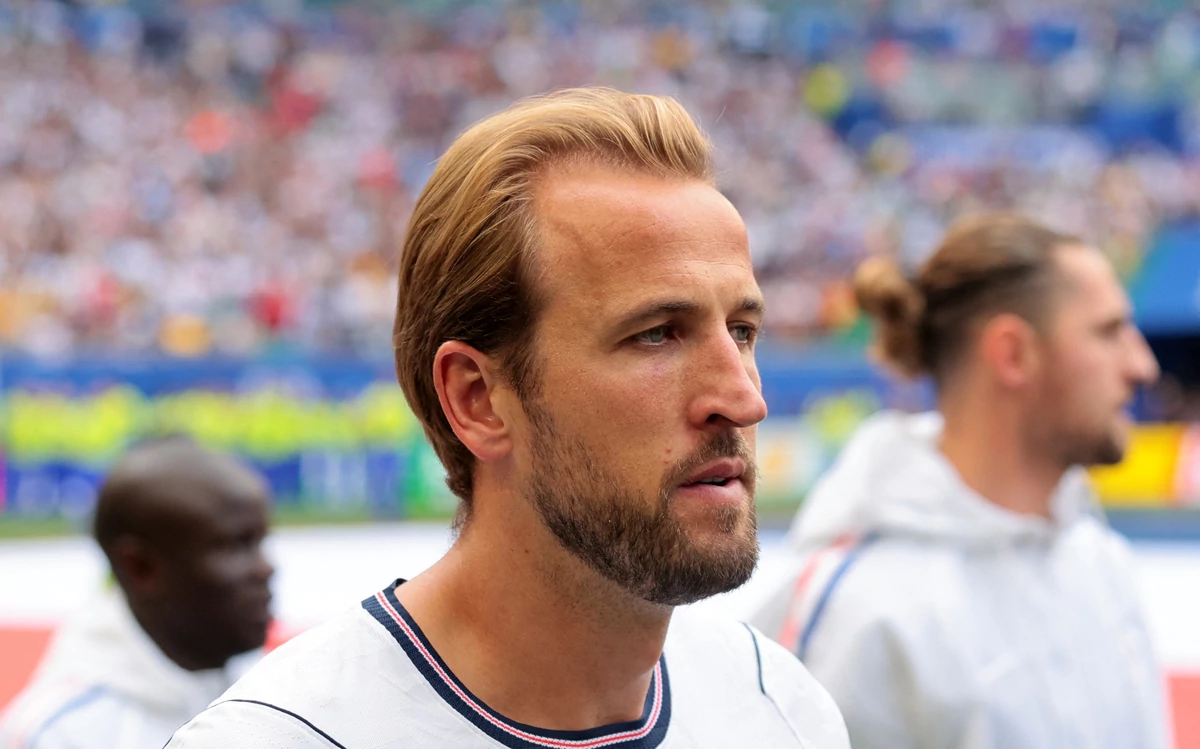
It didn’t take much for someone to correctly predict that Harry Kane might win the 2026 Ballon d’Or. Accurately predicting the four soccer stars who followed him (and in the exact correct order), however, was a taller order.
That’s precisely what someone did via Polymarket, and the unlikely accuracy is now under investigation. Per reports, 12 different Polymarket accounts were used to place bets, with over $264,000 wagered and nearly $200,000 in profit netted.
The big score has attracted interest from France Football, who organize the event. France Football has also reportedly been in contract with local officials as they try to gauge if potential insider trading occurred.
Polymarket Accounts Correctly Predicted Ballon d’Or Results
The 12 Polymarket accounts in question were reportedly created between October 1st and October 20th, while over 50% of them had no known activity in any other markets.
Six of the accounts placed wagers less than 15 minutes after the original creation of the account, while investigators were able to identify one account funder via a French platform.
While suspicious behavior patterns don’t guarantee guilt, these movements were highly unordinary, and they ultimately led to the accounts accurately predicting the vote finish for the 2026 Ballon d’Or:
- Harry Kane
- Kylian Mbappe
- Lamine Yamal
- Rodri
- Lionel Messi
A user trading on the correct winner isn’t proof of any wrongdoing, or even that shocking. Someone trading on five correct picks in a row over numerous accounts, however, raises suspicion.
Blockchain Transparency Exposes Sketchy Trading Behavior Patterns
Polymarket’s transparent trading allows investigators to pick up on sketchy behavior patterns, and ultimately is a big reason for these 12 accounts being flagged.
Transactions created records that investigators can examine, while wallet activity also tends to reveal trading patterns. This helps investigators gauge how things might be connected, or if seemingly suspicious activity may just be a coincidence.
This process also allows independent researchers to highlight activity that may be deemed questionable in nature. That full transparency also plays into more traditional investigations in prediction market trades, allowing for complementary data that can expedite the process.
Upside, the French media outlet utilized to identify the suspicious activity, was able to trace transactions on a concrete level and played a crucial hand in exposing these accounts.
Could This Situation Lead to Stronger Prediction Market Safeguards?
The Ballon d’Or fiasco is just another in a long line of sketchy trading behavior patterns, while there have been several high-level prediction market insider trading scandals.
In other words, this is definitely suspicious activity surrounding a marquee event in sports, but on a base level the potential infraction done here is nothing new.
That said, there is a case to be made to adjust regulatory guidelines for a specific niche market like player awards. There are a variety of people with inside access to who is in contention to win, as well as who will actually win.
With many layers possibly being circumvented to obtain inside information before the public, this situation could lead to more intense monitoring of trade activity, clearer rules as to who can act on non-public info, and more effective safeguards for markets involving outcomes that are not only predetermined, but supposedly confidential.
The Trade Handle Prediction Markets Take
The Ballon d’Or investigation hasn’t officially found anyone of any wrongdoing, but it’s definitely suspicious. The point isn’t really the infraction or who is behind it, but the still prevalent reality that event contracts can still be manipulated or exploited.
It’s never good to see these things happen, but they can occur at any level and in any betting niche. The real key is for Polymarket and other prediction markets to refine their regulatory standards, spot these trade patterns quicker, and work harder to ensure their product is better protected in the future.