


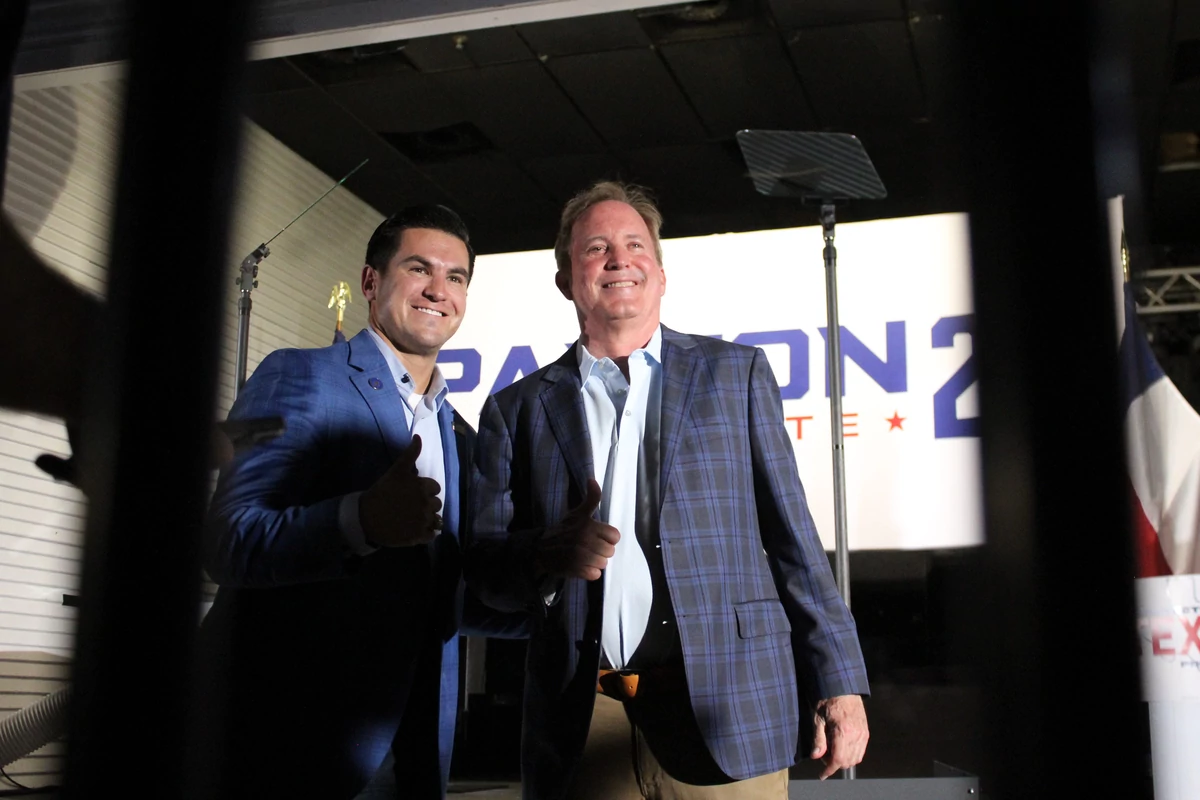
Texas has officially refrained from joining 44 other U.S. states in the fight against prediction markets. Despite the state’s anti-gambling laws already in place, Attorney General Ken Paxton has failed to commit to the cause, but also hasn’t publicly stated why.
Paxton’s reluctance to align with other U.S. states comes as a surprise, as the Texas Attorney General ruled against new slot machines in the state in June of this year. In addition, Paxton and the state have been steadfast in strictly enforcing their anti-gambling laws.
Texas Stays Silent During Prediction Market Crackdown
While Texas hasn’t come out and said they approve of prediction markets in the state, the fact that they haven’t joined the coalition to fight it is a shock.
Lt. Gov. Dan Patrick has previously urged lawmakers to do everything they can to help close gambling loopholes. These loopholes have allowed prediction markets to thrive, giving users the ability to wager on everything from sports to political markets, all under the guise of being legal.
While not yet deemed officially illegal, prediction markets do side-step anti-gambling laws by declaring their bets as event contracts. This allows users to legally place bets on markets despite operating in states that don’t allow gambling.
Texas is one of those states, as Paxton and the state have adamantly been against online sports betting and casino play.
Why Paxton May Be Reluctant to Take a Stand
It’s important to note that Paxton isn’t joining the public fight against prediction markets, but he’s also not exactly supporting them, either. He’s simply opting to not take a side at the moment.
He could have numerous reasons for doing this. One could be that the situation is murky at best, with the federal vs. state debate creating blurred lines without enough defining principles to effectively take a stand on.
If this is Paxton’s reasoning, he could simply be waiting for bigger dominoes to fall before putting emphatic backing behind the cause.
Another possibility is that Paxton is focused on the Texas Senate race. Taking a stand against a surging prediction market industry could cut off support within the state and hurt his chances.
Perhaps the most glaring component is the fact that Paxton has received donations from Kalshi in the past, amounting to $12,000 in known funds. The prediction market site donated $5,000 to Paxton’s Lone Star Liberty PAC in May of last year, while the company gave another $7k to Paxton for his Senate campaign.
Prediction Markets Fill a Key Texas Gambling Void
Regardless of Paxton’s stance on prediction markets, state residents are benefitting from the presence of Polymarket and other major platforms while they can.
Given the state’s harsh anti-gambling laws, prediction markets give citizens a clear and legal path to placing bets and profiting. That could easily end up being a short-lived reality, but until defined legality and regulatory decisions are handed down, Texas will keep funneling action towards prediction markets.
The Trade Handle Prediction Markets Take
Accepting financial donations isn’t a crime, of course, nor is it necessarily a bad thing for Paxton to remain mum on a cloudy debate that seemingly has no end in sight. After all, why should a politician that is waist-deep in a Senate race take a stand that could ultimately only hurt him?
Texas law is still in place against casinos and sportsbooks, so allowing prediction markets to churn on in the same way they do in other anti-gambling states wouldn’t exactly be seen as Paxton lying down.
For now, Texas simply isn’t going to be vocal on what they want to do in the prediction market scene. That means Texas users can continue getting in on the action, and the fight against prediction markets has one less state on its side.