


Prediction markets found their way into the Texas Capitol this week as lawmakers started asking questions about what these platforms actually are and whether current state laws cover them. No one is talking about banning them just yet. Instead, the discussion focused on something much simpler: understanding how prediction markets work before deciding if Texas needs to respond with new legislation.
As these federally regulated platforms continue to grow, more state lawmakers are trying to sort out where they fit within existing election laws.
Lawmakers Want Answers Before Taking Action
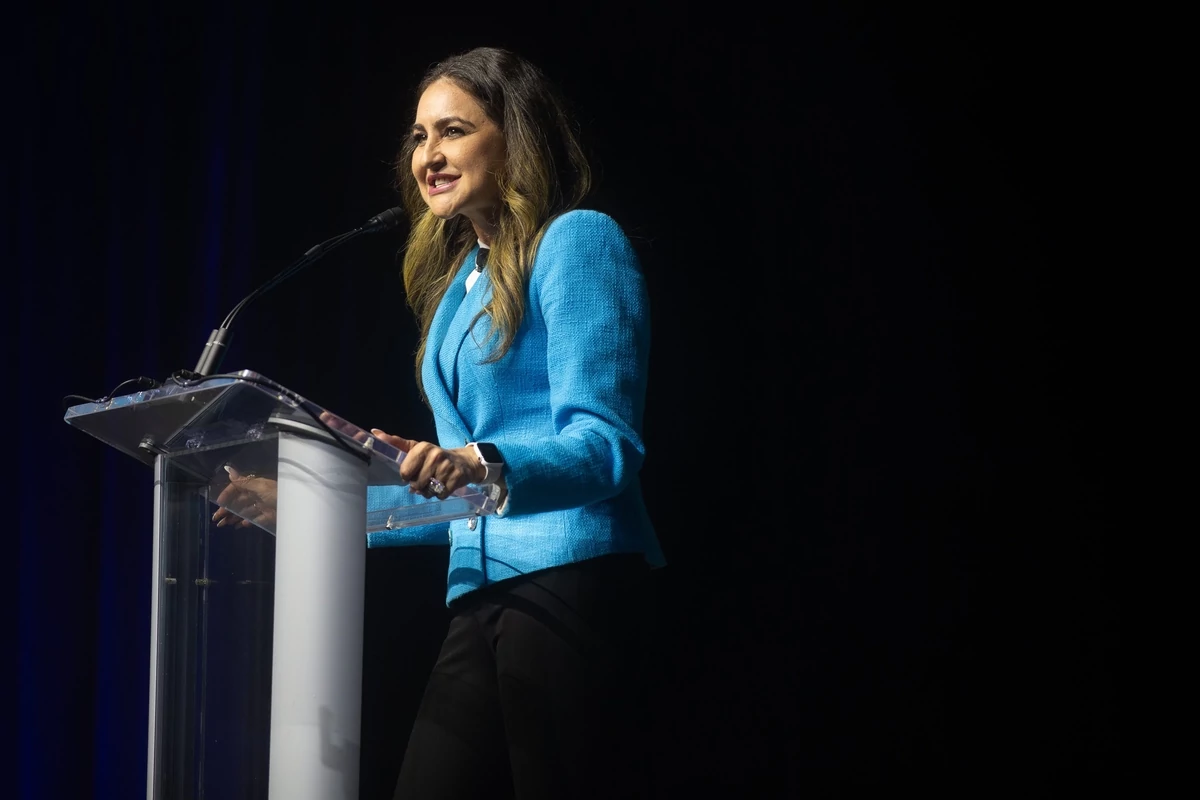
The conversation took place during a Texas House Elections Committee hearing on emerging election technology, in which prediction markets were among the topics under review. State Rep. Mihaela Plesa said the Legislature shouldn't rush into making policy without first understanding how these markets operate.
That includes figuring out who regulates them, how they interact with Texas law, and whether they could affect voter confidence or participation. For now, lawmakers appear to be in information-gathering mode rather than preparing immediate legislation.
The Legal Question isn't Simple
Part of the challenge is that state and federal law don't necessarily approach these products the same way. Texas law generally prohibits wagering on political elections. Prediction market operators, meanwhile, argue their platforms are federally regulated exchanges overseen by the Commodity Futures Trading Commission and shouldn't be viewed through the same legal framework.
That disagreement has become a familiar theme across the country as more states try to determine where prediction markets fit within their own laws.
Polls and Prediction Markets Aren't the Same Thing
One topic that generated discussion was whether prediction markets should be viewed as another type of polling. Plesa said she doesn't believe they serve the same purpose. Polls measure public opinion, while prediction markets reflect participants putting money behind what they think will happen.
Those are two very different ways of measuring expectations. The hearing also touched on a few broader questions lawmakers are trying to answer:
- Could prediction markets influence how people view an election?
- Are current safeguards strong enough to discourage manipulation?
- Should Texas eventually create its own policy around these markets?
- What role should federal regulation play?
None of those questions received definitive answers, but they helped frame the conversation.
Manipulation Was Part of the Discussion
Election attorney Andrew Cates walked lawmakers through a hypothetical example in which a single large trade in a small local race could dramatically shift market pricing and potentially change public perception. He made clear the example was only hypothetical, not an allegation that it had actually happened.
Representatives from the Coalition for Prediction Markets pushed back, saying federally regulated exchanges already use surveillance systems, identity verification, audit trails, position monitoring, and other compliance tools designed to detect unusual activity. The group also said campaign staff can be screened from participating in markets involving their own candidates.
The Trade Handle Prediction Markets Take
This hearing felt less like the beginning of a regulatory crackdown and more like lawmakers trying to get up to speed on a rapidly changing industry. That's probably the right place to start. Prediction markets have expanded quickly over the past two years, and many policymakers are still learning how they differ from more familiar products.
Texas isn't alone in asking these questions, either. As prediction markets continue to gain attention across the country, expect more hearings like this one, where the focus is on understanding the technology first and deciding later whether existing laws need to evolve.