

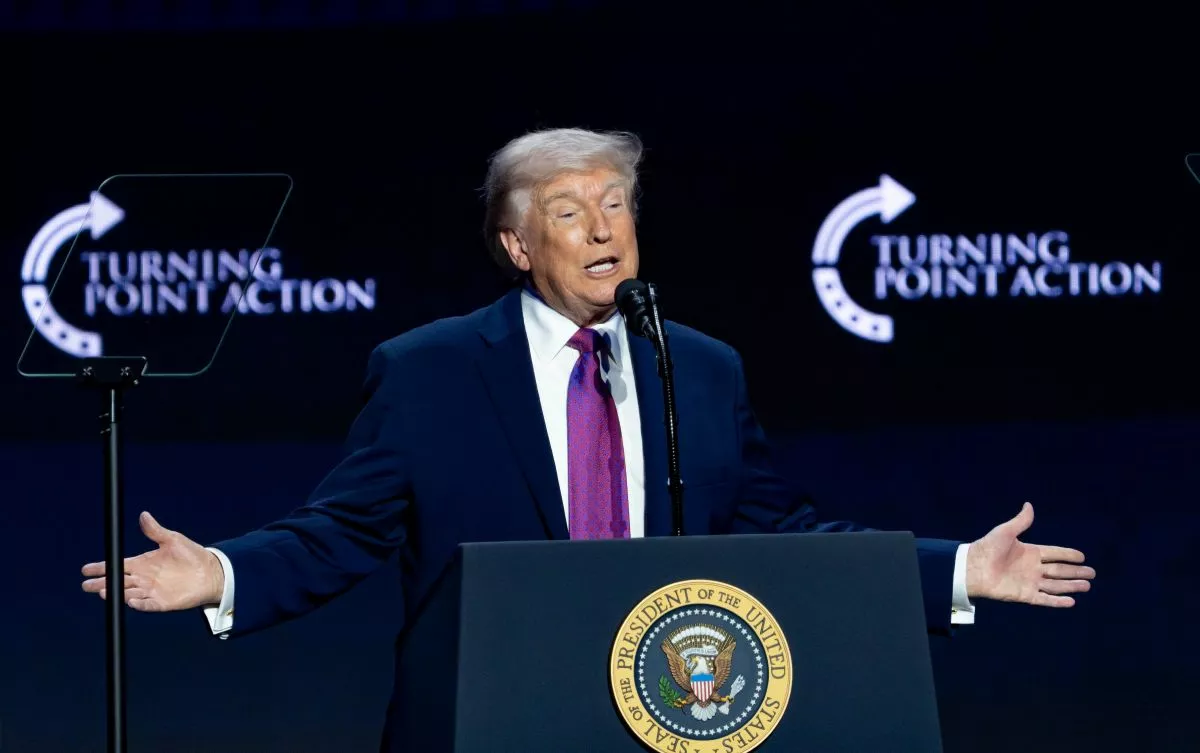
Prediction markets are back in the spotlight again, this time with President Donald Trump adding to the back-and-forth. Just a few days after speaking pretty negatively about the space, he softened his stance and made it clear he is not fully decided on where he stands.
If you have been following this industry, that kind of shift probably feels familiar. Everything around prediction markets is moving fast right now, including how people in power are responding.
A Quick Shift After Strong Comments
Earlier in the week, Trump was pretty direct. He said he was “never much in favor” of prediction markets and suggested they were contributing to a world that feels more like a casino. Those comments came right after news broke about a U.S. soldier allegedly using classified information to make a large profit tied to a military operation.
That timing is hard to ignore. Big headlines like that tend to shape opinions quickly, especially when they involve national security. It is one thing to talk about prediction markets in theory, though stories like that bring everything into a very real context.
By the Weekend, the Tone Changed
A couple of days later, Trump sounded much less certain. When asked about his earlier comments, he admitted he was not sure where he stood and pointed out that people he considers very smart are supportive of prediction markets. That kind of response says a lot.
It shows there are competing viewpoints around him, and it also highlights how difficult it is to take a firm position on something that is still evolving this quickly. He also brought up something that keeps coming up in these conversations. Other countries are moving forward with similar systems, and there is a concern that the U.S. could fall behind if it does not keep up. That global angle is becoming a bigger part of the discussion.
Business Connections Make It More Complicated
There is another layer here that is hard to ignore. Donald Trump Jr. is involved with both Polymarket and Kalshi, acting as an advisor and investor. That alone brings prediction markets much closer to the political conversation than most emerging industries ever do.
On top of that, Trump’s media company is also exploring its own version of a prediction market tied to Truth Social. When you mix business interests with policy decisions, things tend to get more complicated quickly.
The Real Battle Is Over Who Regulates This
The bigger issue sitting underneath all of this is regulation. Prediction market platforms argue they fall under federal oversight through the Commodity Futures Trading Commission because they deal in event contracts. States are not all on board with that. Some believe these markets should fall under their own laws, especially when they touch areas like sports or politics.
That disagreement is already turning into legal fights, and it does not look like it will be resolved anytime soon. Lawmakers are starting to pay closer attention as well. Concerns about insider activity and how these platforms operate are increasingly being raised, especially after recent headlines.
The Trade Handle Prediction Markets Take
This situation shows just how early things still are for prediction markets. When opinions at the top can shift this quickly, it is a sign that nobody has fully figured this out yet. There is a real tension here. On one side, you have a fast-growing space that many smart people believe in.
On the other hand, you have valid concerns about how these markets are used and how they should be regulated. If you are following along, the takeaway is pretty simple. Expect more moments like this. The conversation is still forming, and it will take time before anything close to a consensus is reached.