

Underdog sacrificed its daily fantasy sports licenses in seven states to continue offering prediction markets to customers nationwide.
The popular gaming company, which has offered fantasy contests since it launched in 2020, has now made it clear where its primary focus lies. The operator already foregoed the opportunity to offer sports betting in North Carolina and Missouri, and is now ditching the contests that brought it national popularity.
Underdog confirms decision
Underdog CEO and founder Jeremy Levine said on X (Twitter) on Saturday that Underdog was shutting down Drafts, the company’s snake-style draft contest and first product launched in 2020, in seven states: Massachusetts, Maryland, Michigan, Mississippi, New Jersey, Pennsylvania and Ohio.
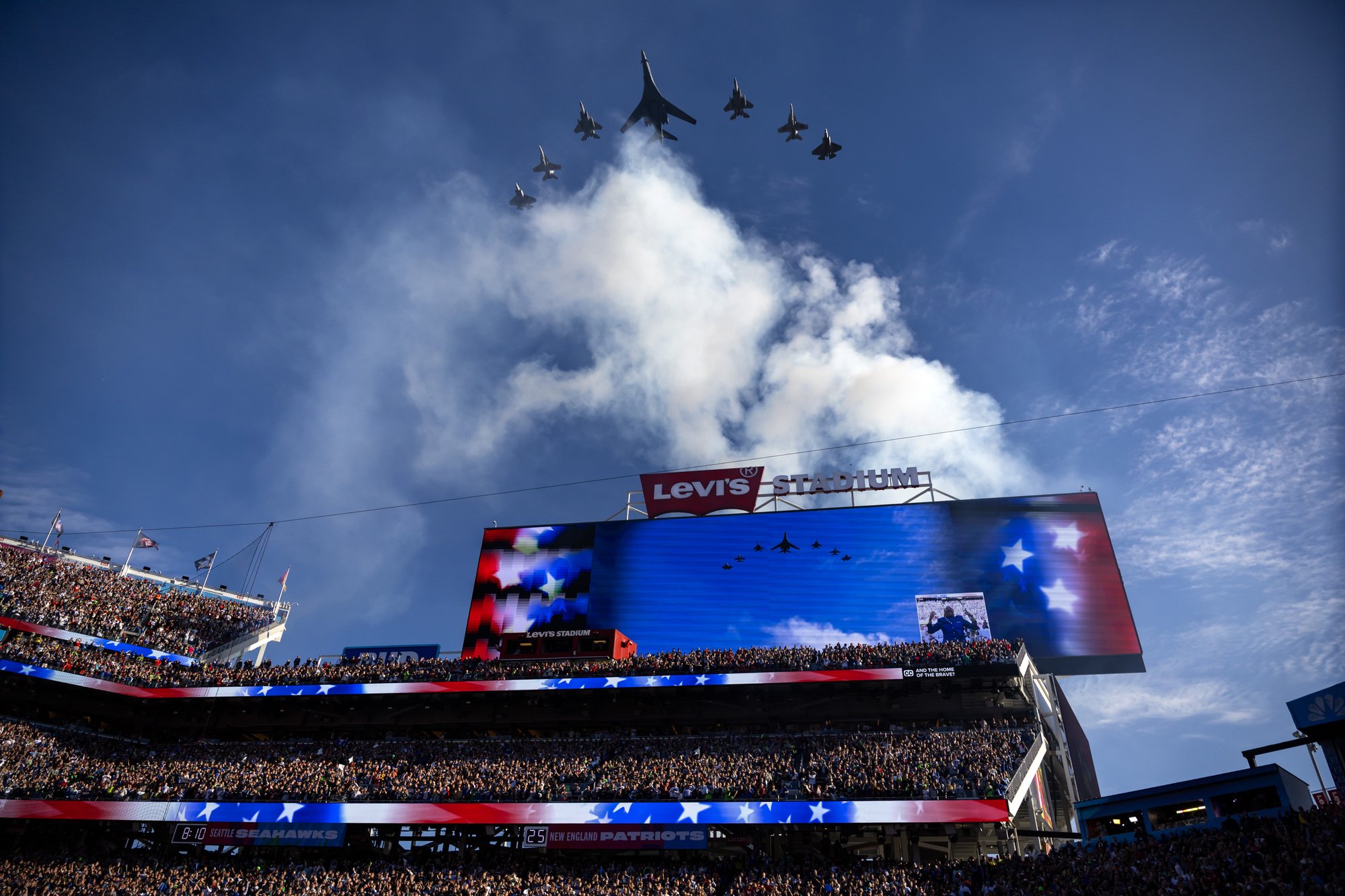
Customers won’t be able to enter new drafts ahead of Wednesday’s NFL season kickoff between the New England Patriots and the Seattle Seahawks. Users in existing drafts will continue as normal.
“Those states have taken a legal viewpoint we disagree with: if we offer our [Commodity Futures Trading Commission]-licensed products we cannot offer fantasy sports in those states,” Levine wrote. “So we had to choose. We could keep our fantasy licenses in those states, or surrender the licenses and offer effectively our full experience, minus Drafts.”
“This sucks,” he added.
Essentially, state gaming officials in the seven listed states told Levine that Underdog could offer federally regulated prediction markets or state regulated fantasy contests, but not both. Underdog chose the prediction markets route, while noting that the company had ideas about how to bring Drafts back to its community in those seven states.
“I’m optimistic, and we’re definitely going to try,” he wrote. “But until then, I don’t think there’s really anything I can say other than I’m sorry.”
Underdog values prediction markets over fantasy
Underdog launched access to prediction markets in Sept. 2025 through a partnership with crypto.com. It acquired CFTC-licensed Designated Contract Market and Derivatives Clearing Organization Aristotle Exchange in March 2026 and eventually launched its fully in-house market in July.
Prediction Picks will take the place of Drafts in the seven states above, except for Michigan. Prediction Picks is currently ineligible in the state, yet Underdog still chose to shut down Drafts in hopes of one day offering prediction markets to local users.
Although Underdog only went fully in-house in July, prediction markets generated 54% of the volume processed by the platform during the first half of 2026. Eliminating third-party reliance will only reduce costs and fees, allowing Underdog to retain a larger share of its revenue as profit.
Eilers & Krejcik Gaming analyst Brad Allen also noted in a recent report that combos represented 48.3% of trades accepted by Underdog in August, the second-highest percentage of all platforms offering licensed prediction markets.
All of this comes around the time that analytics platform DeFi Rate estimated that prediction markets offered by Kalshi, Polymarket, Underdog, and other operators could generate a “conservative” $57 billion trading volume during the NFL season. The analysis said that trading was only at $7.2 billion last year, meaning that trading would increase by nearly 8x.
The Trade Handle Prediction Markets Take
Underdog and PrizePicks have dominated fantasy sports for the past half-decade. Underdog prioritizing prediction markets over the games that helped it grow into the national spotlight illustrates the allure of contract trading, even as it continues to come under heavy scrutiny from state and federal officials. New Jersey Attorney General Jennifer Davenport last week asked the U.S. Supreme Court to determine once and for all whether prediction operators need to receive state licensing, or whether their CFTC-regulated status allows them to circumvent state gaming laws.