

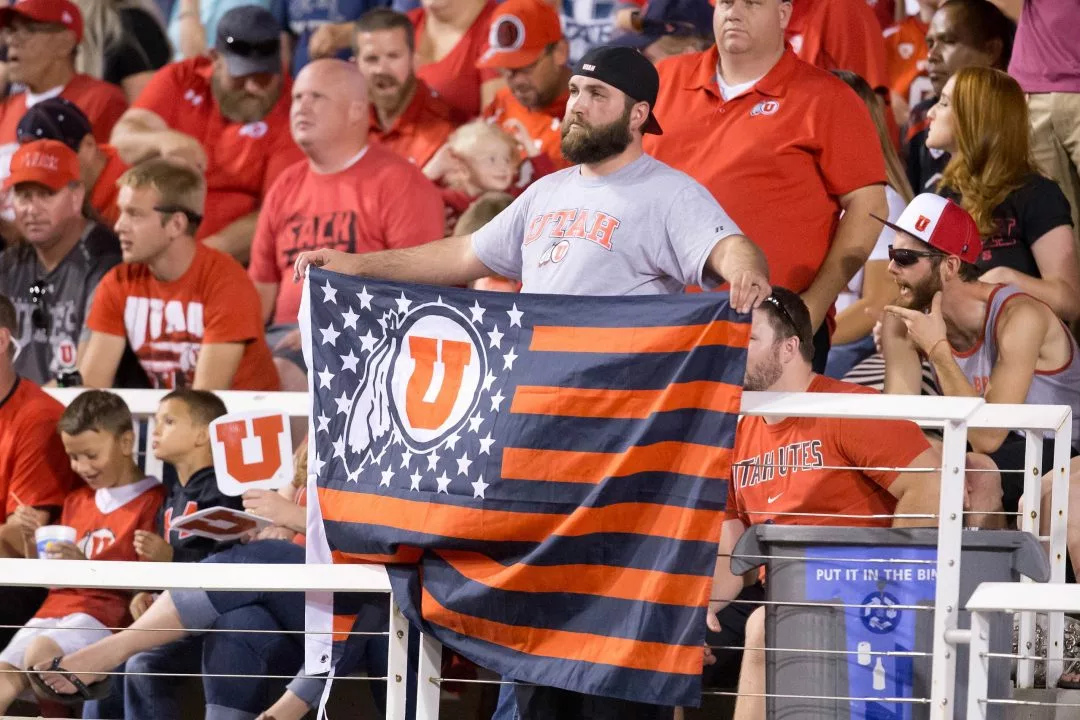
Prediction markets have already sparked legal battles in states across the country, and Utah could soon become another state to watch.
As prediction markets like Kalshi continue expanding, lawmakers and regulators are beginning to ask if these exchanges should fall under the same regulations as sportsbooks.
While there are no immediate proposals to ban or regulate the industry in Utah, the conversation is becoming more relevant as the exchanges grow. Utah doesn’t have legal sports betting, so it could create an interesting legal battle for prediction markets.
Sportsbooks or Exchanges?
Unlike traditional sportsbooks, prediction markets allow users to buy and sell contracts tied to real world events. Those contracts can cover everything from elections and economic data to sporting events and entertainment.
Supporters argue these exchanges are financial markets that help aggregate information and produce more accurate forecasts. There aren’t many supporters in Utah as this is a very pure state.
Critics see sports related contracts as another form of sports betting, and they should fall under the same set of rules. States with legal sports betting hate prediction markets because they’re not benefitting from the tax revenue.
Because Kalshi operates as a federally regulated exchange under the Commodity Futures Trading Commission, the company maintains that its event contracts fall under federal oversight rather than state gaming laws. Therefore, states miss out on the taxes, so in Utah, they don’t get any trading revenue.
Why Utah Matters
Utah has one of the most restrictive gambling environments in the United States. The state prohibits virtually all forms of legalized gambling, making it an interesting case study as prediction markets continue growing.
That doesn't necessarily mean prediction markets would be treated the same way.
The debate centers on whether event contracts should be viewed as financial instruments or gambling products. The answer carries significant implications not only for Utah but for every state trying to determine how these platforms fit into existing regulatory frameworks.
If Utah deems prediction markets are similar to gambling, the state legislature would do whatever it takes to shut them down.
If courts continue siding with the argument that prediction markets fall under federal jurisdiction, states with strict gambling laws could have less authority than many initially expected.
On the other hand, if states ultimately gain more regulatory power, companies may need to improvise to grow.
The Industry Keeps Growing
While regulators continue debating classifications, consumers appear increasingly interested in prediction markets.
Trading activity has surged over the past two years, fueled by political elections, major sporting events, economic releases, and high profile news stories. Every major event now seems to generate its own collection of contracts, and they’re getting a lot of volume.
That growth is forcing policymakers to address questions that barely existed a few years ago. The industry won’t slow down unless regulation comes, and even then, they may surge pass any pending legislation.
The Trade Handle Predictions Market Take
Utah isn't necessarily on the verge of becoming the next courtroom showdown, but it highlights a much larger issue facing the industry.
Prediction markets are expanding faster than the legal system can handle. Every new state that begins discussing the topic adds another layer to an already complicated legal landscape.
The outcome won't just affect traders in Utah. It could influence how prediction markets operate nationwide over the next several years.
For now, companies like Kalshi continue building their businesses while regulators, lawmakers, and courts work to determine exactly where these markets belong.