


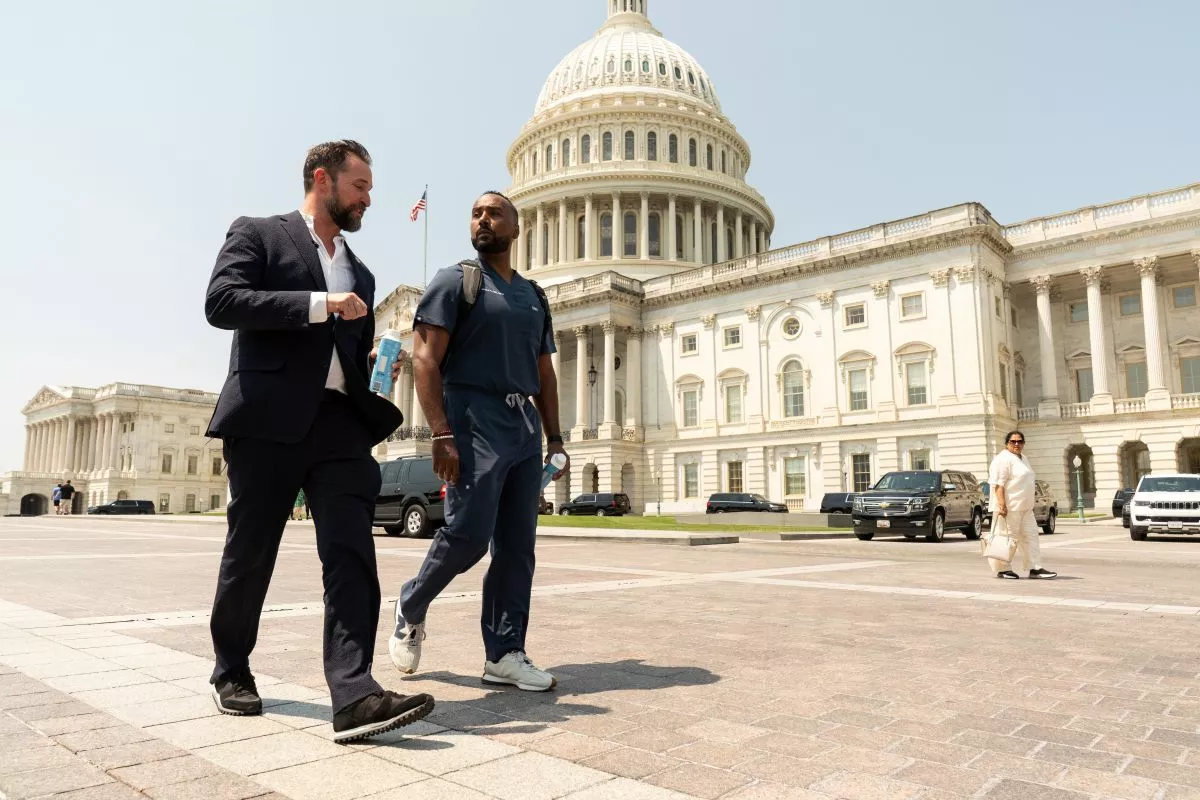
Prediction markets are facing another major political storm this week, and the pressure on the industry keeps building from all sides. A newly launched group, FairPredicts, is rolling out a six-figure advertising campaign in Washington just as senators prepare to hold hearings on sports integrity, consumer protection, and the rapid growth of prediction markets.
That probably would have sounded bizarre a couple of years ago. Back then, most people outside crypto and finance circles barely knew platforms like Kalshi or Polymarket existed. Now, prediction markets are attracting the attention of lawmakers, watchdog organizations, gaming groups, and federal regulators at the same time.
A New Group is Taking Aim at Prediction Markets
FairPredicts introduced itself this week as a watchdog organization focused on “market integrity” within prediction markets. According to NBC News, the group’s campaign includes billboard and digital advertising throughout the Washington, D.C., area, timed to coincide with this week’s Senate Commerce Committee hearing. The organization appears particularly concerned about sports-related contracts and the possibility that insider information could influence markets.
Those concerns have become a much bigger talking point lately as prediction markets continue expanding into politics, sports, economics, and global news events. Kalshi wasted no time responding. Spokeswoman Elizabeth Diana reportedly suggested the campaign looked like a coordinated effort tied to casino interests, while defending prediction markets as more transparent and open than traditional gaming systems. That exchange alone shows how combative the relationship between prediction markets and legacy gaming interests is becoming.
Insider Trading Stories Changed the Conversation
A lot of this growing attention stems from recent insider trading cases that brought prediction markets into the national spotlight. Earlier this year, Kalshi revealed that it had conducted hundreds of investigations into suspicious activity and had referred multiple cases to regulators. Then came the much bigger headlines. Federal authorities arrested a U.S. special forces soldier accused of using classified information tied to the operation involving Venezuelan President Nicolás Maduro to profit on Polymarket.
Kalshi also disciplined political candidates who traded on contracts involving their own races. Stories like that shift the entire public conversation. Prediction markets suddenly stop sounding like harmless forecasting tools once military intelligence and political influence become part of the discussion. Lawmakers now seem increasingly focused on how these platforms monitor suspicious activity and whether existing oversight is strong enough.
Congress is Paying Attention Now
The Senate hearing itself feels important because it signals that prediction markets are becoming a real policy issue in Washington. Senators are expected to focus heavily on market integrity, sports-related contracts, younger users, and whether additional consumer protections may eventually be necessary. Sen. Marsha Blackburn framed the hearing around protecting fair competition and preserving trust in sports.
That language sounds much closer to discussions surrounding financial regulation or professional sports oversight than the casual way prediction markets were often discussed previously. Meanwhile, companies like Kalshi continue to insist that their exchanges already fall under federal financial regulation by the Commodity Futures Trading Commission. That argument remains central to nearly every political and legal battle involving prediction markets right now.
The Trade Handle Prediction Markets Take
Prediction markets are entering a completely different stage than the industry occupied even a year ago. The conversation is no longer just about innovation or market growth. Now it involves lobbying campaigns, Senate hearings, insider trading investigations, and competing political interests fighting over how these platforms should operate.
We also think the speed of this shift matters. Prediction markets are growing rapidly while simultaneously attracting far more scrutiny from regulators, lawmakers, and outside groups. The industry keeps moving deeper into the mainstream, though the pressure surrounding it is increasing just as quickly.