

The biggest threat to prediction markets is insider trading, and we had one of the biggest cases we’ve seen recently pop up in Washington.
A White House official who allegedly used insider knowledge to profit from prediction markets is no longer employed by the federal government. An investigation into trades tied to President Trump's public speeches ended his time in Washington.
The case has quickly took storm around the country as the teleprompter was one of the few people who accessed President Trump’s speeches early, creating a very noteworthy insider trading operation.
Gabriel Perez is Gone
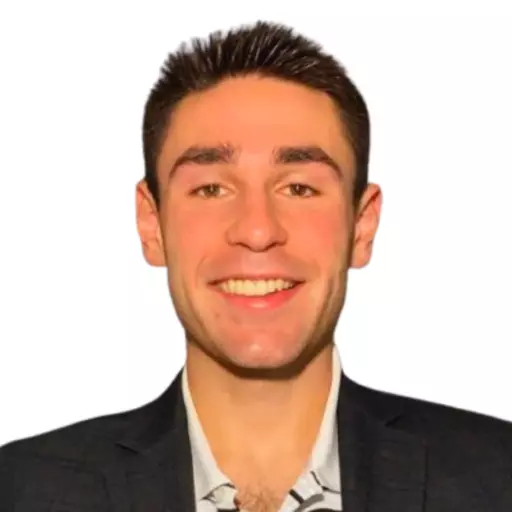
According to reports, longtime White House teleprompter operator Gabriel Perez allegedly earned more than $100,000 by trading on Kalshi contracts that asked whether Trump would use specific words or phrases during major public addresses.
As someone with access to prepared speeches before they were delivered, investigators believe Perez may have possessed information unavailable to the public. He was supposedly selling contracts too when Trump would go ‘off-script.’
The White House confirmed Perez is no longer working for the federal government when this wasn’t originally supposed to be the case. He was supposed to pay back the money, but he would be allowed to keep his job depending on the investigation.
Officials have not publicly stated whether he resigned or was terminated. For prediction markets, the biggest takeaway is not necessarily the individual involved, but the system stopping another insider trading case.
Kalshi will try to flip this and use it to their advantage in their future legal battles.
Insider Trading Emphasis for Prediction Markets
Kalshi says its internal surveillance systems identified suspicious trading patterns before referring the matter to the CFTC. Company officials have repeatedly emphasized that using privileged employment information to trade violates platform rules, and they have spent a lot of money to identify these cases.
Critics of prediction markets have argued that contracts tied to politics, government actions, and public events create opportunities for insiders to profit unfairly. However, the same can be said in sports because team officials and players can also get involved and directly influence outcomes.
All these instances will eventually be caught, but every market has insider trading risk. Supporters counter that insider trading is not unique to prediction markets and that detecting these cases is the system working.
This is the same argument sports betting companies make when they catch insider trading. Both sides have argument power, but the judge and jury make the final call.
On one hand, an alleged insider was able to place profitable trades tied to presidential speeches. On the other, those trades were reportedly flagged, investigated, and referred to federal regulators by the exchange itself rather than uncovered months or years later by outside investigators.
Bad people are going to do bad things so any financial exchange is going to have issues. I tend to believe that catching insider trading is the most important thing when it comes to prediction markets.
Prediction markets have moved well beyond elections. It’s never going to stop and someone will always have information, so we have to prepare ourselves.
Kalshi has worked endlessly to make sure they can target problems quickly and flag to the CFTC. So far, it appears like they’re getting the job done.
The Trade Handle Prediction Markets Take
As prediction markets continue pushing further into mainstream finance, the industry's credibility will depend just as much on preventing insider trading as it does on attracting new traders.
High profile cases like this are likely to shape how regulators, investors, and the public view prediction markets for years to come. However courts determine the law will impact how the industry grows in the future.